
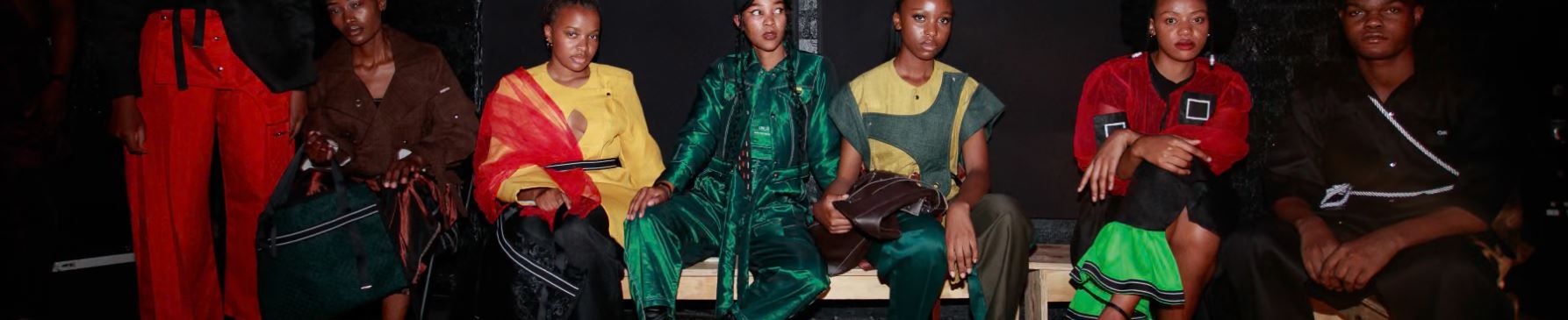
Beyond Paris and Milan: The Global Designers Reshaping Fashion
As Soweto Fashion Week prepares to open, South African designers remind us that the future of
fashion is not limited to the familiar capitals.
For decades, we have been taught to look toward Paris and Milan for fashion’s next defining moment.Their influence is undeniable. But some of the most interesting stories in design are unfolding well beyond those established runways – in places where fashion is as much about identity, community and possibility as it is about clothes.
This week, my attention turns to Soweto, South Africa. From November 5 through 7, Soweto Fashion Week will present its Spring/Summer 2026 season at Soweto Theatre in Jabulani, bringing emerging designers, established labels and students into the same creative conversation.
What draws me to an event like this is not simply the promise of beautiful clothes. It is the opportunity to see design through a different lens: whose history is being expressed, whose point of view is being celebrated, and who gets to define what modern luxury looks like.
The case for looking beyond the traditional capitals
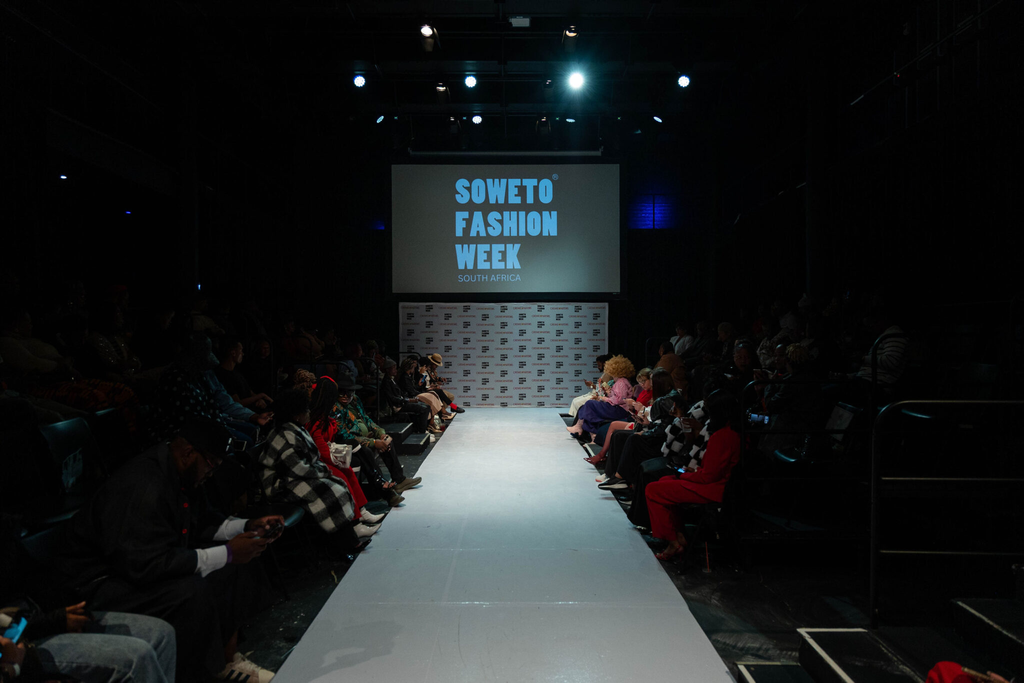
Fashion’s geography has always been richer than a handful of cities. Yet the industry’s attention and resources have not always been distributed as broadly as the talent itself. Platforms such as Soweto Fashion Week help challenge that imbalance by giving designers room to present their work, build relationships and reach new audiences.
Founded in 2011, the event has developed into a platform for South African fashion talent and, according to its organizers, has supported more than 120 designers over its history. Its ambitions extend beyond a runway moment: business development, international connections and the long-term visibility of local creative businesses are part of the mission.
A runaway with a distinct point of view
This season’s program is particularly interesting because it does not treat emerging talent as an afterthought. Opening night is dedicated to new designers, with names including RFL Studios, Zimisele and Shirley Joseph, alongside fashion students from the University of Johannesburg and Tshwane University of Technology. That decision says something meaningful about the event: tomorrow’s designers deserve to be seen today.
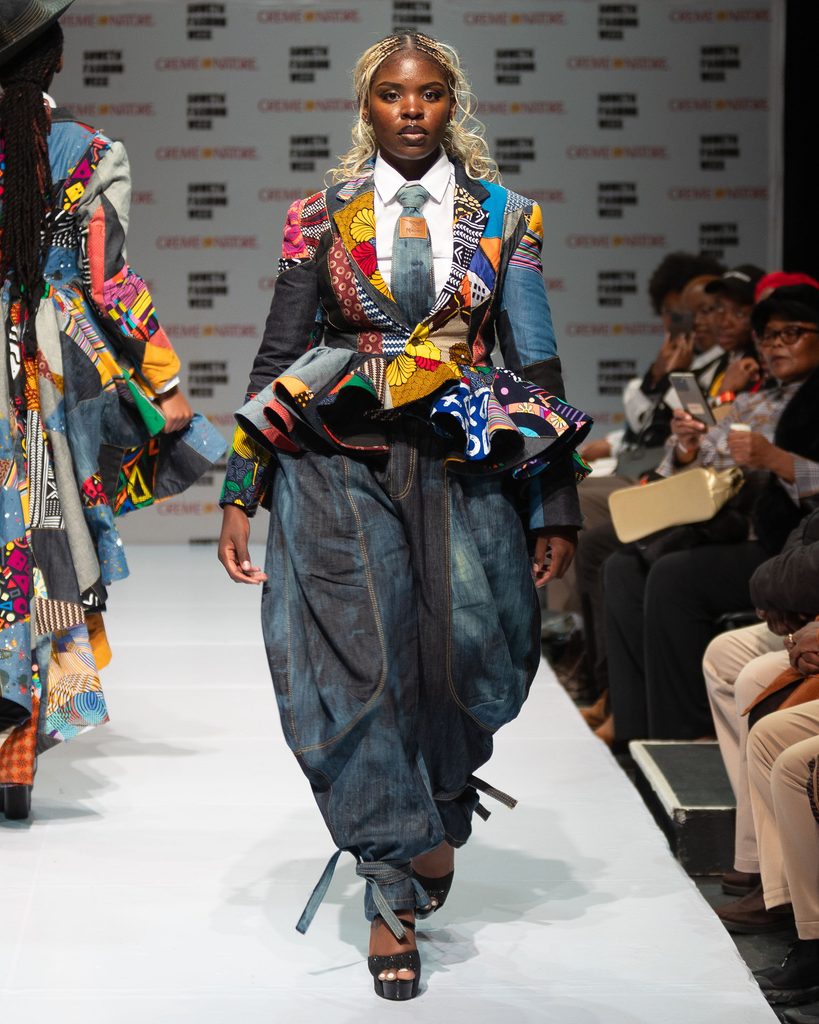
On the second evening, I will be watching for Mbobo Movement, the patchwork-and-denim label led by Luthando Mbobo. Following a presentation in the Autumn/Winter emerging-designer showcase, the label is moving into the main runway program. There is something compelling about a designer whocan take familiar materials and give them a new visual language.
Precious Lulu Couture and KwaZulu Fashion Hut are also scheduled for the second night. The final evening broadens the conversation between fashion and performance, with House of Ayanda by television presenter Ayanda Nhlapo and Wanda Wear by singer Wanda Baloyi among the names on the program. These are announced participants, not reviews of collections that have yet to be shown.
Heritage is not a costume
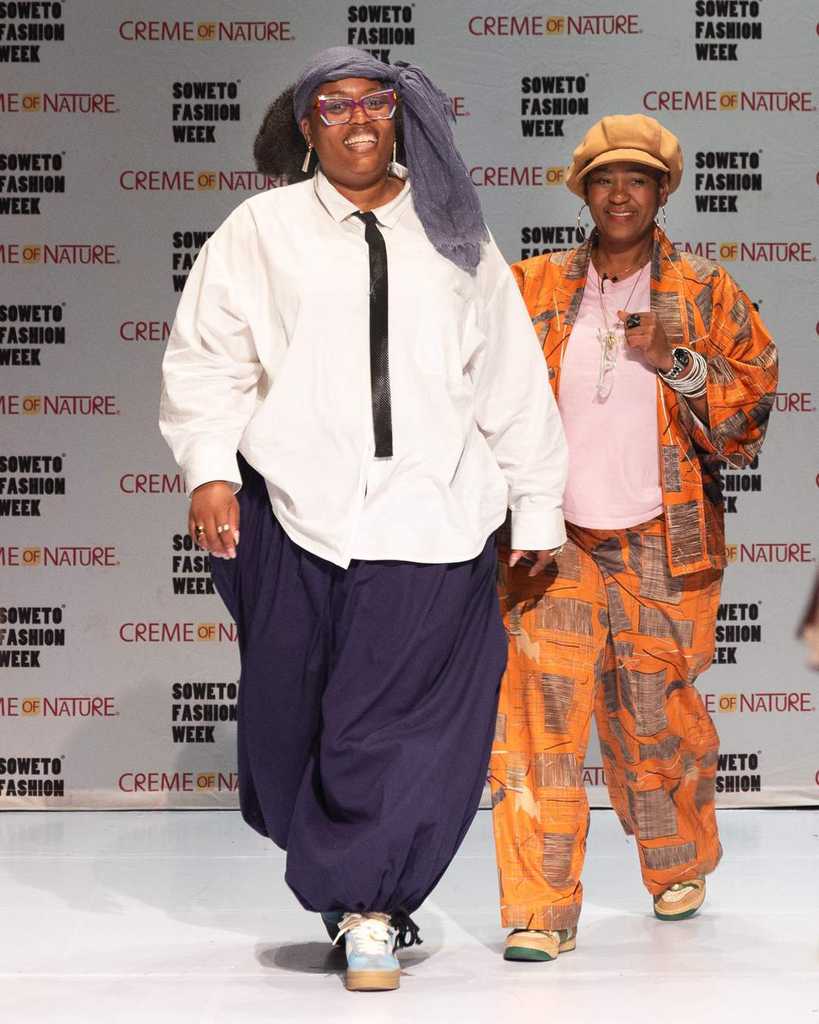
When fashion engages cultural identity well, the result is not a simplistic interpretation of “African style.” South Africa contains many histories, communities and creative perspectives. The interesting question is how each designer interprets that richness through silhouette, fabric, technique, proportion or a thoroughly contemporary idea.
As a personal stylist, I look beyond the label on a garment. I notice how it is constructed, the way it moves, how it carries personality and how it makes a person feel. Those same questions make a runway presentation worth studying – whether it is in Paris, Milan, Johannesburg or Soweto.
What the global fashion audience can learn
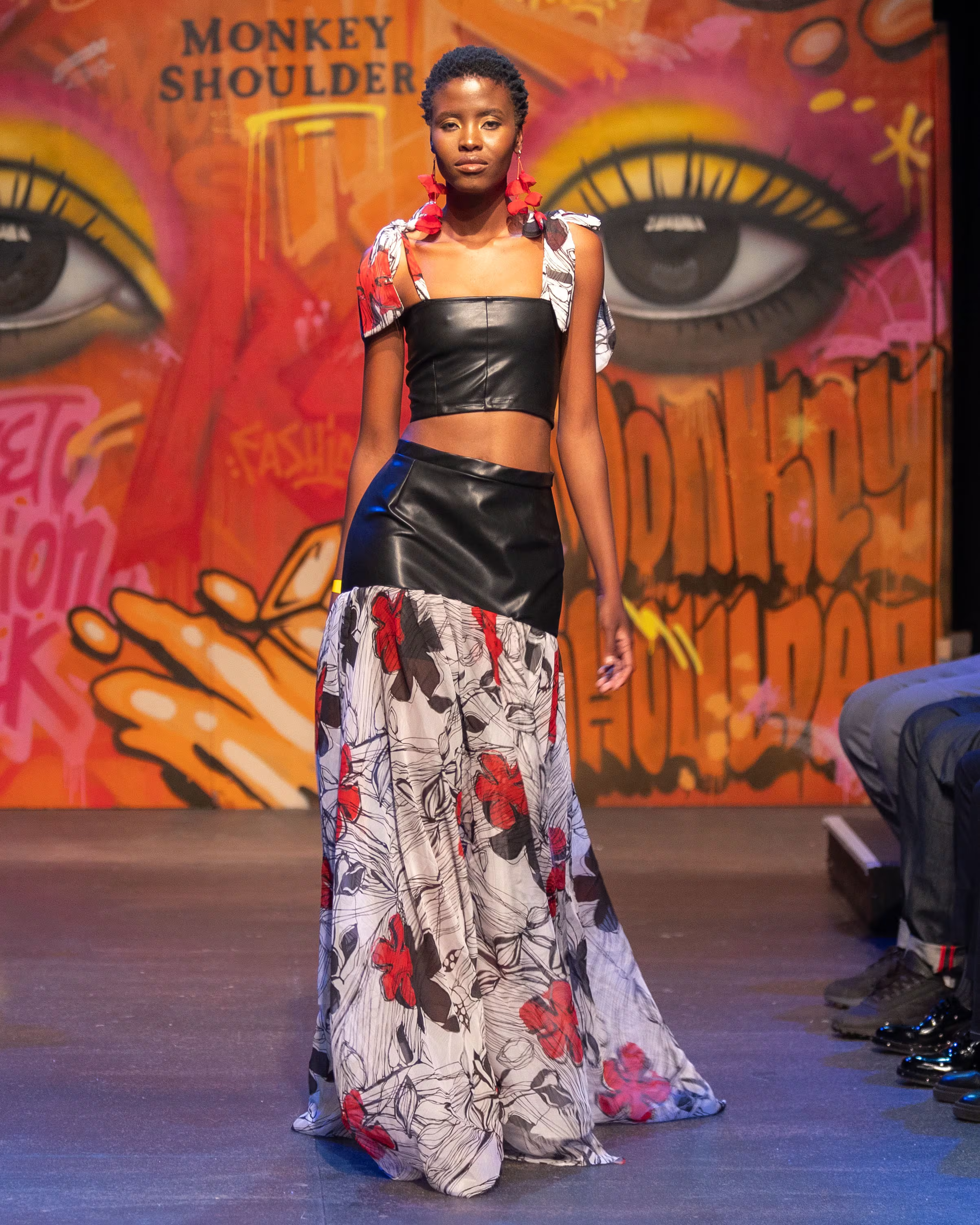
The international fashion conversation becomes stronger when we are curious about more voices, not merely more trends. It makes room for different definitions of elegance, new combinations of craftsmanship and utility, and designers building successful businesses on their own terms.
Soweto Fashion Week is not important because it imitates the familiar fashion capitals. Its importance is in offering designers a platform to tell their own stories. And for those of us who love fashion, that is an invitation to expand our perspective.
I will be paying attention to the collections, the emerging names and the ideas worth carrying into our own conversations about personal style. Because great fashion does not begin or end in Paris and Milan. It begins wherever original vision finds a voice.
Which emerging fashion city or designer should be on your radar? I would love to hear your discoveries.