The Designers Fashion History Almost Forgot
This Day in Fashion | November 1
When you think of fashion history, whose names come to mind?
Chanel. Dior. Saint Laurent. Perhaps Givenchy or Balenciaga.
Moreover, consider Patrick Kelly, Ann Lowe, Mimi Plange, and Duro Olowu; how familiar are you with their work?
Furthermore, that question lies at the heart of today’s fashion anniversary.
On November 1, 2016, Fashion + Lifestyle published a preview of Black Fashion Designers, an upcoming exhibition at The Museum at FIT in New York. The exhibition opened on December 6, 2016, and ran through May 16, 2017. Today marks the anniversary of that advance coverage—a moment to revisit the designers and stories it brought into focus. (fashionpluslifestyle.wordpress.com)
A Bigger Picture of Fashion History
Curated by Ariele Elia and Elizabeth Way, Black Fashion Designers brought together approximately 75 fashion objects by more than 60 designers, drawn from the museum’s permanent collection. The work spanned generations, from mid-century dressmaking to contemporary runway design. (exhibitions.fitnyc.edu)
Additionally, many of these designers had successful careers, devoted clients and recognition within their own communities. As a result, some became international names. Yet the broader telling of fashion history has not always given their accomplishments lasting attention.
The museum also challenged another problem: the assumption that Black designers share one aesthetic. Its exhibition presented distinct creative voices working across evening wear, tailoring, street wear and experimental design. (exhibitions.fitnyc.edu)
Looking closely at their clothes makes that individuality impossible to miss.
Patrick Kelly: A Button With a Story
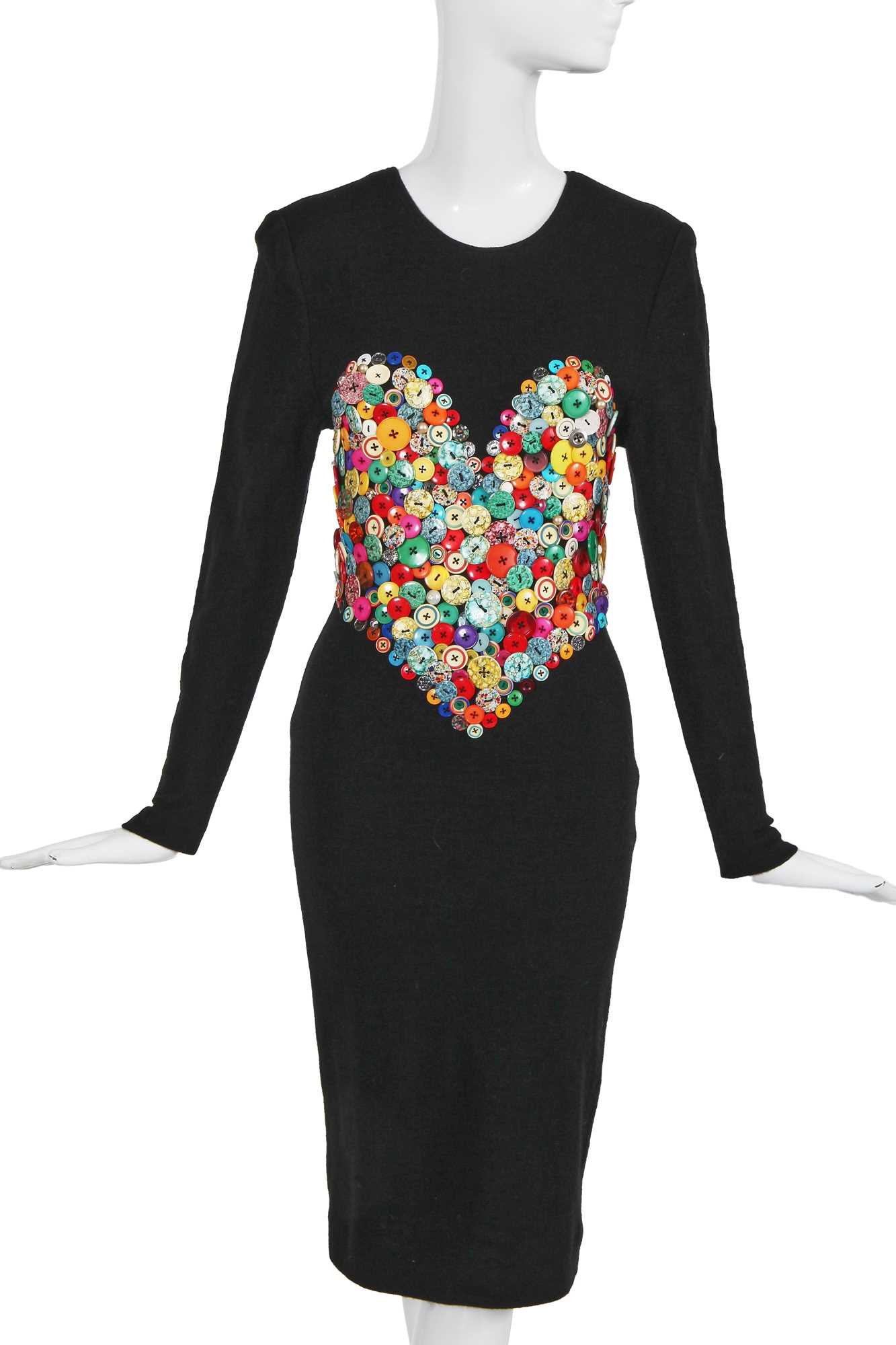
A black dress from Patrick Kelly’s fall/winter 1986 collection featured a heart-shaped arrangement of colorful buttons. The embellishment connected to a childhood memory: his grandmother used mismatched buttons when mending the family’s clothing. (fitnyc.edu)
Consider how much a detail like that can hold. Something practical and familiar becomes a signature that is recognizable, expressive, and personal.
This is a wonderful reminder to look beyond a garment’s first impression. What appears playful may also carry a family history.
Mimi Plange: Texture That Invites a Closer Look
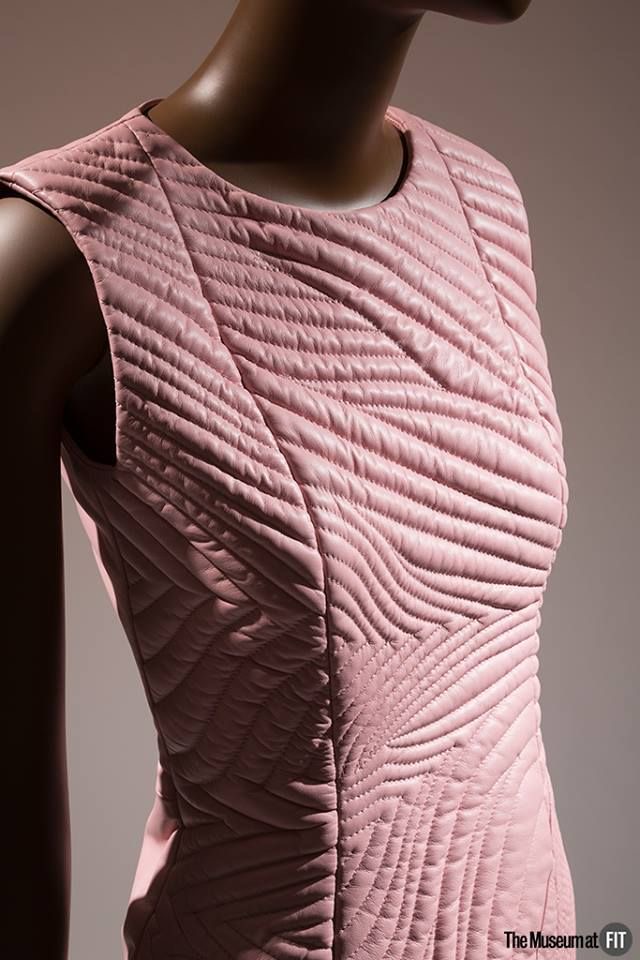
Mimi Plange’s spring 2013 pink leather dress offered another kind of storytelling. Its trapunto quilting referenced African scarification traditions, translating that inspiration into raised, dimensional patterning. (exhibitions.fitnyc.edu)
This is the kind of garment that rewards attention. From a distance, you notice the silhouette and color. Move closer, and the surface becomes the story.
For anyone who loves fashion, that is part of the pleasure: discovering how a designer turns research, cultural references, and technique into something you can wear.
Duro Olowu: The Art of Bringing Prints Together
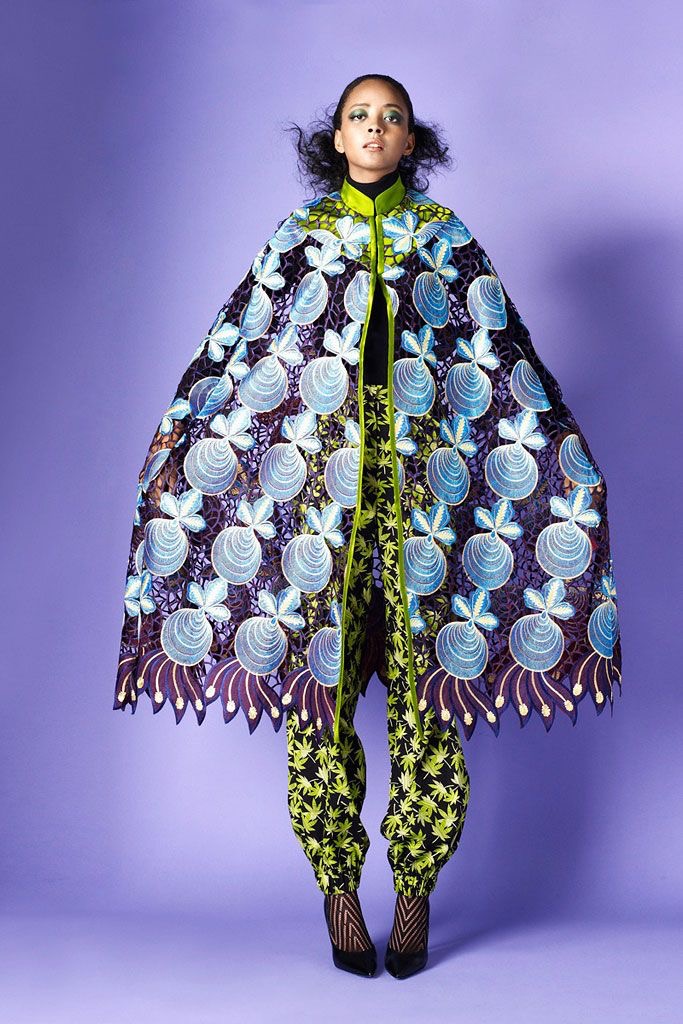
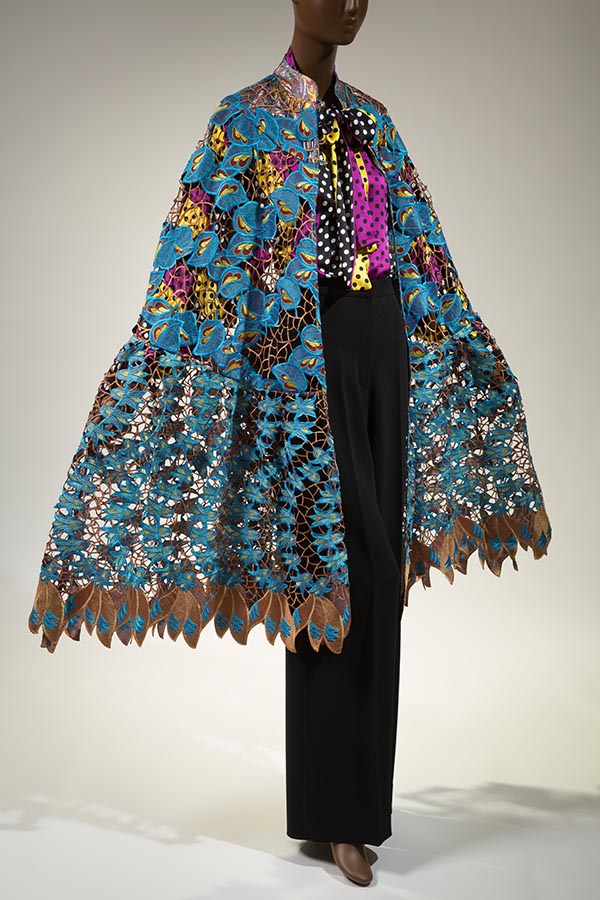
The exhibition also included a fall 2012 ensemble by Duro Olowu, pairing an intricate lace cape with patterned separates. The November 1 preview highlighted his knowledge of international textiles and skill at mixing prints. (fashionpluslifestyle.wordpress.com)
The styling lesson here: patterns can create a conversation within an outfit. Color, proportion, and texture help establish the connection.
Looking at a designer’s work this way gives us more than inspiration for getting dressed. It helps us appreciate the decisions behind the finished look.
Ann Lowe: Remember the Maker
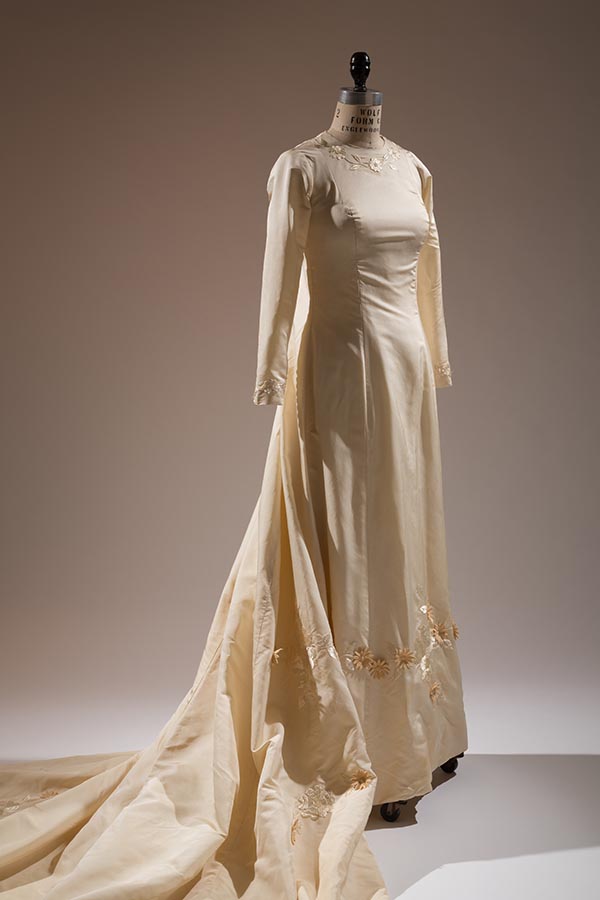
Ann Lowe’s contribution included a wedding gown she created for Judith Tabler in 1968. The museum described Lowe’s reputation among wealthy American clients for gowns of exceptional craftsmanship. (exhibitions.fitnyc.edu)
A wedding gown preserves a personal milestone. In a museum, it also preserves evidence of the maker’s skill.
Remembering the designer alongside the wearer gives a garment a fuller history.
Why These Stories Belong in Our Fashion Conversations
As a personal stylist, I believe understanding fashion means paying attention to the people behind the clothes. Their choices teach us about proportion, craftsmanship, self-expression and the many ways beauty takes shape.
Black Fashion Designers offered an invitation to expand that understanding. We can continue the conversation by learning a designer’s name, studying a collection and sharing the work that moves us.
So, the next time you admire a beautiful garment, take one more step: find out who made it and take a moment to study the collection.
Which of these designers would you like to learn more about? Share a name in the comments—and follow this series for more stories from fashion history.
Explore the garments and their stories in The Museum at FIT’s online exhibition.